PIPE JACKING
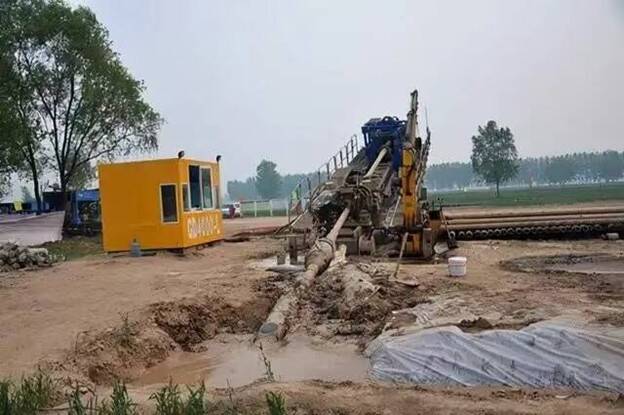
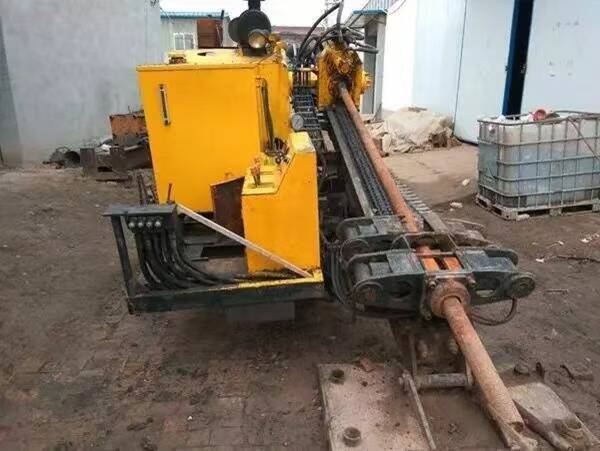
Pipe jacking, also known as pipe pushing or pipe ramming, is a trenchless construction method used to install pipes underground without excavating the surface.
Process
- Launch pit: A small pit is dug to launch the pipe jacking operation.
- Pipe preparation: The pipe is prepared and lubricated.
- Jacking force: A hydraulic or mechanical jacking system applies force to push the pipe into the ground.
- Pipe advancement: The pipe is pushed through the soil, creating a borehole.
- Soil removal: Soil is removed from the borehole, if necessary.
Benefits
- Minimal disruption: Reduced surface disturbance and noise.
- Cost-effective: Lower costs compared to traditional open-cut methods.
- Increased safety: Reduced risk of accidents and injuries.
- Environmental benefits: Reduced environmental impact.
- Flexibility: Suitable for various pipe materials and diameters.
Applications
- Water and sewer infrastructure: Installing water and sewer pipes.
- Gas and oil pipelines: Underground installations.
- Electrical and communication cables: Buried infrastructure.
- Tunneling under obstacles: Rivers, highways, and buildings.
Pipe Jacking Methods
- Hydraulic jacking: Uses hydraulic cylinders to push the pipe.
- Mechanical jacking: Employs mechanical jacks or screw jacks.
- Pneumatic jacking: Utilizes compressed air.
Equipments
- Pipe jacking machines: Hydraulic, mechanical, or pneumatic models.
- Pipe lubrication systems: Reduce friction during installation.
- Soil removal equipment: Augers, excavators, or vacuum systems.
Limitations
- Length limitations: Maximum pipe lengths vary depending on equipment.
- Diameter restrictions: Typically limited to smaller diameters.
- Soil conditions: Difficult soils (e.g., rock, clay) may require specialized equipment.
- Cost: Higher costs for complex projects or difficult soil conditions.
Key Considerations
- Geotechnical investigations: Soil analysis before project commencement.
- Pipe material selection: Suitable for pipe jacking conditions.
- Lubrication selection: Choosing the right lubricant for soil conditions.
- Safety protocols: Ensuring worker safety and minimizing risks.
Industry Standards
- ASTM F1962: Standard guide for pipe jacking.
- ASCE 38-02: Standard practice for trenchless installation.
HORIZONTAL DRILLING
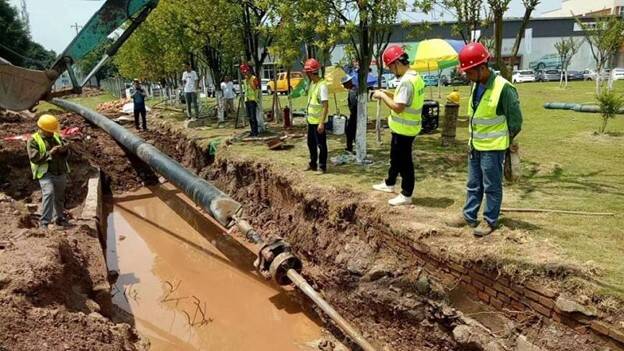
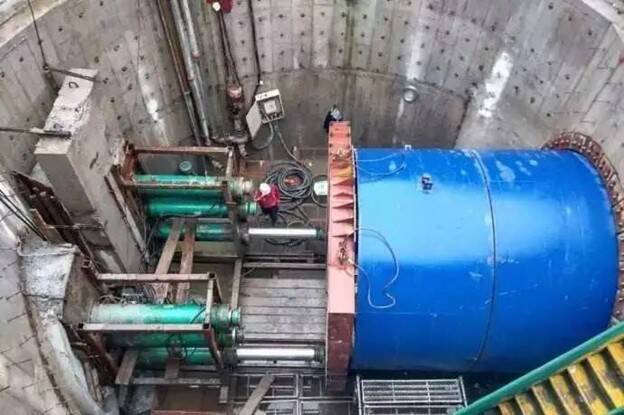
Horizontal drilling, also known as horizontal directional drilling (HDD), is a trenchless construction method used to install underground pipes, cables, or conduits without excavating the surface.
Process
- Pilot hole drilling: A small pilot hole is drilled horizontally from the entry point to the exit point.
- Pilot hole enlargement: The pilot hole is enlarged to accommodate the pipe or conduit.
- Pipe installation: The pipe or conduit is pulled into place through the enlarged hole.
- Backreaming: The hole is enlarged further to ensure a smooth pipe installation.
Benefits
- Minimal disruption: Reduced surface disturbance and noise.
- Cost-effective: Lower costs compared to traditional open-cut methods.
- Increased safety: Reduced risk of accidents and injuries.
- Environmental benefits: Reduced environmental impact.
- Flexibility: Can drill under obstacles like rivers, highways, and buildings.
Applications
- Oil and gas exploration: Horizontal drilling for oil and gas reserves.
- Water and sewer infrastructure: Installing water and sewer pipes.
- Electrical and communication cables: Buried infrastructure.
- Pipeline installations: Gas, oil, and product pipelines.
- Geothermal installations: Horizontal drilling for geothermal systems.
Horizontal Drilling Methods
-
Rotary drilling: Uses a rotary drill bit to create the pilot hole.
-
Pneumatic drilling: Employs compressed air to drive the drill bit.
-
Mud rotary drilling: Utilizes drilling mud to stabilize the borehole.
-
Guided drilling: Uses GPS or laser guidance for accurate drilling.
Equipments
- Drilling rigs: Various types, including rotary, pneumatic, and mud rotary models.
- Drill bits: Different types for various soil conditions.
- Pipe jacking equipment: Pushes pipes into place.
- Guidance systems: Ensures accurate drilling.
Limitations
- Depth limitations: Maximum drilling depths vary depending on equipment.
- Diameter restrictions: Typically limited to smaller diameters.
- Soil conditions: Difficult soils (e.g., rock, clay) may require specialized equipment.
- Cost: Higher costs for complex projects or difficult soil conditions.
Key Considerations
-
Geotechnical investigations: Soil analysis before project commencement.
-
Pipe material selection: Suitable for horizontal drilling conditions.
-
Drilling fluid selection: Choosing the right drilling fluid for soil conditions.
-
Safety protocols*: Ensuring worker safety and minimizing risks.
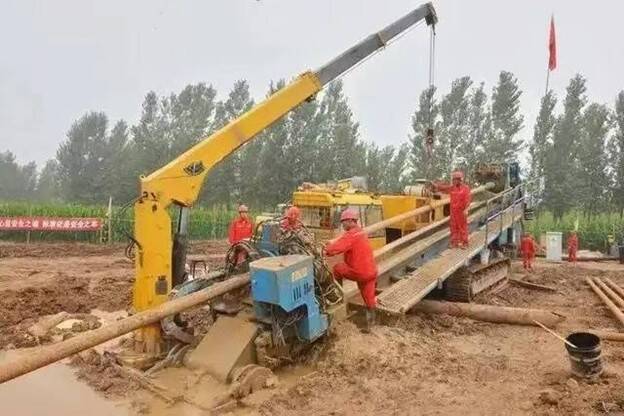
GUIDED AUGER BORING
Guided auger boring (GAB) is a trenchless construction method that uses a guided auger to drill and install pipes underground, minimizing surface disturbance.
Process
- Launch pit: A small pit is dug to launch the GAB machine.
- Pilot hole drilling: A pilot hole is drilled from the launch pit to the reception pit.
- Guidance system: A guidance system (e.g., laser, GPS) ensures accurate drilling.
- Auger installation: The auger is attached to the drill head and advanced through the pilot hole.
- Pipe installation: The pipe is pulled into place behind the auger.
Benefits
- Minimal disruption: Reduced surface disturbance and noise.
- Cost-effective: Lower costs compared to traditional open-cut methods.
- Increased safety: Reduced risk of accidents and injuries.
- Environmental benefits: Reduced environmental impact.
- Accuracy: Precise pipe placement.
Applications
- Water and sewer infrastructure: Installing water and sewer pipes.
- Gas and oil pipelines: Underground installations.
- Electrical and communication cables: Buried infrastructure.
- Tunneling under obstacles: Rivers, highways, and buildings.
Guided Auger Boring Methods
-
Laser-guided: Uses laser guidance for accurate drilling.
-
GPS-guided: Employs GPS guidance for precise drilling.
-
Pilot tube-guided: Uses a pilot tube for guidance.
Equipments
- Guided auger boring machines: Various types, including laser-guided and GPS-guided models.
- Drill heads: Different types for various soil conditions.
- Augers: Various sizes and types for different pipe diameters.
- Guidance systems: Laser, GPS, or pilot tube guidance.
Limitations
- Depth limitations: Maximum drilling depths vary depending on equipment.
- Diameter restrictions: Typically limited to smaller diameters.
- Soil conditions: Difficult soils (e.g., rock, clay) may require specialized equipment.
- Cost: Higher costs for complex projects or difficult soil conditions.
Key Considerations
- Geotechnical investigations: Soil analysis before project commencement.
- Pipe material selection: Suitable for GAB conditions.
- Drilling fluid selection: Choosing the right drilling fluid for soil conditions.
- Safety protocols: Ensuring worker safety and minimizing risks.
Advantages Over Other Methods
- Higher accuracy: Compared to traditional auger boring.
- Reduced settlement: Minimizes soil settlement.
- Less vibration: Reduced vibration compared to traditional methods.
- Increased productivity: Faster installation rates.
Industry Standards
- ASTM F1962: Standard guide for guided auger boring.
- ASCE 38-02: Standard practice for trenchless